Category: Sustainable Fashion

  • How to Break up with Fast Fashion + Answers to 4 Common Questions

    How to Break up with Fast Fashion + Answers to 4 Common Questions

    It’s no secret that fast fashion is wreaking havoc on the environment. The industry is based on disposable clothing and overconsumption, which leads to mountains of textile waste every year. 

    So if you want to find out how to break up with fast fashion, check out these tips to help you get started.

    How to Stop Buying Fast Fashion

    We all love a good deal, but when it comes to fashion, sometimes it’s better to spend a little more on fewer, higher-quality items. Not only will your clothes last longer, but you’ll also help reduce waste.

    Also, try shopping less often. Rather than buying new clothes every time you see something you like, try sticking with the items you already have in your wardrobe. Maybe pair them with something you haven’t tried before to get a new outfit out of old clothes. Conveniently enough, reviewing what you already have is one of the steps towards creating a sustainable capsule wardrobe.

    Even though not everyone has the budget to buy only sustainable fashion or chooses not to do so, we can all make an effort to stop buying as much and use the things we already have.

    1. How to Avoid Fast Fashion

    You can shop ethically and support businesses that are committed to sustainable and fair practices. Start by checking labels and certification logos to see if a clothing company is certified by a reputable organisation like the Global Organic Textile Standard (GOTS).

    You can also research a company’s policies on things like workers’ rights, environmental impact, and animal welfare. Those that are not part of fast fashion pay fair wages to their employees and focus on creating as little waste as possible during the making of their products. Most vegan clothing brands will satisfy all your sustainable fashion needs. 

    Finally, you can choose more sustainable fabrics. For example, choose natural fabrics over synthetic ones. Natural fabrics, such as cotton, linen, and wool, are made from plant or animal fibres and are biodegradable. They are also generally more durable than synthetic ones, so you can get more use out of them before they need to be replaced. But not even all synthetic fabrics are the same—learn more in our eco-friendly fabric guide.

    2. What Brands Are Not Fast Fashion

    There are many brands out there that are considered fast fashion alternatives. These include Pact, Patagonia, People Tree, and Vetta.

    Pact is an ethical clothing company that focuses on sustainable and fair trade practices. Patagonia is famous for being a less unsustainable choice (as the brand likes to phrase it), along with People Tree. Vetta is a slow fashion brand that has timeless fashion pieces to wear for seasons to come. But there are more. In fact, we compiled a list of brands that are entirely focused on sustainability.

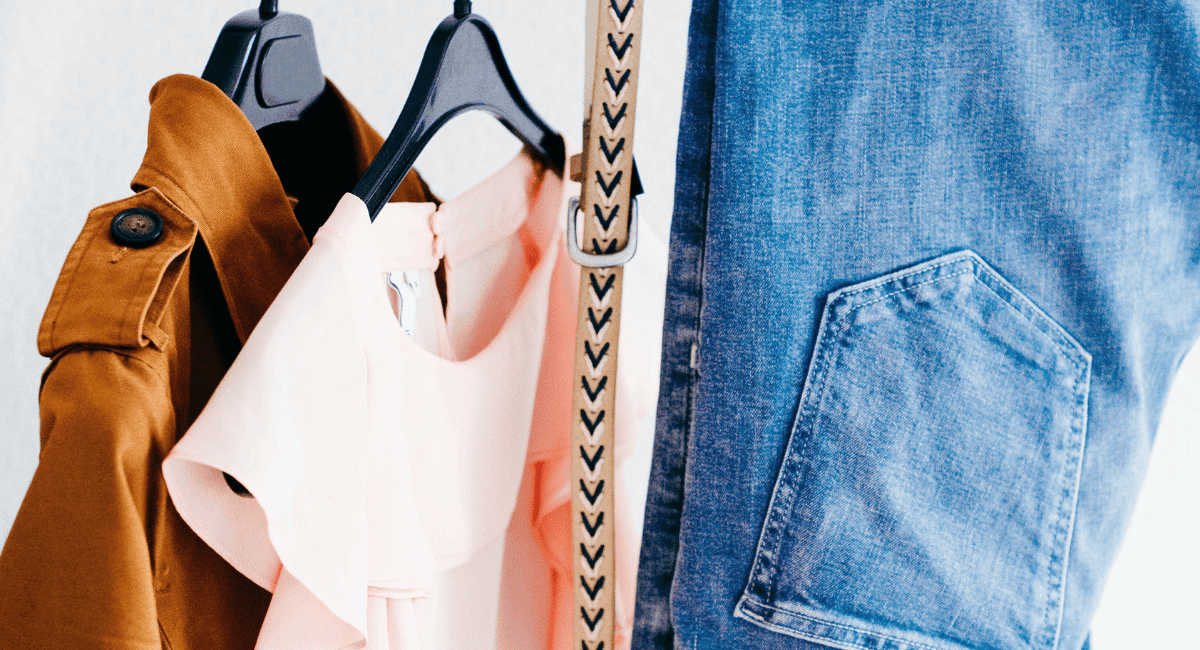
    How to Break up with Fast Fashion - Labels on Jeans

    3. How Can Fast Fashion Consumers Become More Sustainable?

    If you love fast fashion and don’t want to give it up, but still want to help the environment, you can make a few simple tweaks to your shopping habits.

    Some of the world-famous fast-fashion chains now offer lines of clothing that are more eco-friendly and made out of organic materials. Alternatives to fast fashion can be quite pricey, but by choosing more sustainable items in fast fashion stores, you can lower the negative environmental effect of the fashion industry without breaking the bank.

    We all have things we never wear in our wardrobes. Maybe they are out of fashion or maybe we outgrew them. But, instead of letting them just sit there, you can donate them to someone who would use them. If they look a bit too worn out, there are several disposal alternatives for clothes that can’t be donated.

    4. How to Avoid Fast Fashion on a Budget

    If you’re looking to save money and reduce your impact on the environment, shopping at second-hand stores is a great option. You can find high-quality clothing and accessories for a fraction of the price of new items. Plus, by shopping second hand you’re keeping these items out of landfills.

    Learn More: An Honest Guide to 9 Best Secondhand Clothes Websites in the UK

    Another great way to not buy fast fashion even with a lower budget is to learn how to sew. Instead of just piling on new items, you can mend the ones you already have. You can also give them new life by adding an interesting detail or making something new out of them. Another option is to find a tailor.

    One of our favourite tips for saving a few pounds on clothes and being environmentally conscious is to skip shopping altogether and host a clothes swap. Buy a bottle of wine, invite some friends you know have great taste, and exchange the things you are no longer using.

    Final Thoughts

    When facing the choice of slow fashion vs fast fashion, it’s wiser to choose the first one, because it produces less waste and uses natural materials. 

    By being a conscious consumer and focusing on quality over quantity, you can reduce the negative impact of the fashion industry and contribute to saving the planet for generations to come.

  • What Is Sustainable Fashion? 4 Important FAQ Answered

    What Is Sustainable Fashion? 4 Important FAQ Answered

    Sustainability has become a key issue in the fashion industry in recent years. As consumers have become more aware of the environmental and social impacts of the clothes they buy, this movement has become a hot topic.

    But what is sustainable fashion, and why is it so important? 

    In this blog post, we will explore those questions and discuss the reasons for creating a more sustainable fashion industry.

    What Does Sustainable Fashion Mean?

    Sustainable fashion is an umbrella term for a growing movement within the fashion industry to create clothes and accessories in a way that minimises the negative effects of the textile and apparel industry on the environment and society.

    There is no one definition of sustainable fashion, but generally, it includes these three areas: reducing waste and pollution throughout the supply chain, using environmentally-friendly materials and fibres, and supporting fair labour practices.

    While there are many challenges to making it mainstream, there is also a growing number of sustainable fashion brands and consumers committed to choosing the clothes they wear responsibly.

    1. What Is Ethical Fashion?

    The term “ethical fashion” refers to a movement where clothes are produced ethically while promoting social responsibility.

    Ethical fashion focuses on the people who work in the fashion supply chain, from cotton farmers to textile weavers and everyone in between involved in creating a piece of clothing. It also pays attention to the way retail personnel and company employees are treated.

    Companies that are part of the ethical fashion movement pay fair wages to their workers, provide them with proper health insurance and working conditions and promote those principles among their colleagues.

    2. What Is Sustainable Fashion Design?

    There are many different ways to approach fashion design. But, one of the most sustainable and eco-friendly methods is known as zero waste pattern cutting. It involves creating a piece of clothing with as little leftover fabric as possible by carefully planning how to cut and use the material. 

    Upcycling is another great way to support sustainable fashion. By taking old clothes and repurposing them into new designs, you can give them a second life while also creating something unique and stylish.

    You don’t have to be a fashion designer to do this. With a bit of creativity and some help from online tutorials, you can transform a boring piece of clothes into something new and stylish.

    It is vital to popularise this type of fashion, as designing with sustainability and environmental impact in mind helps reduce waste and protect nature for future generations.

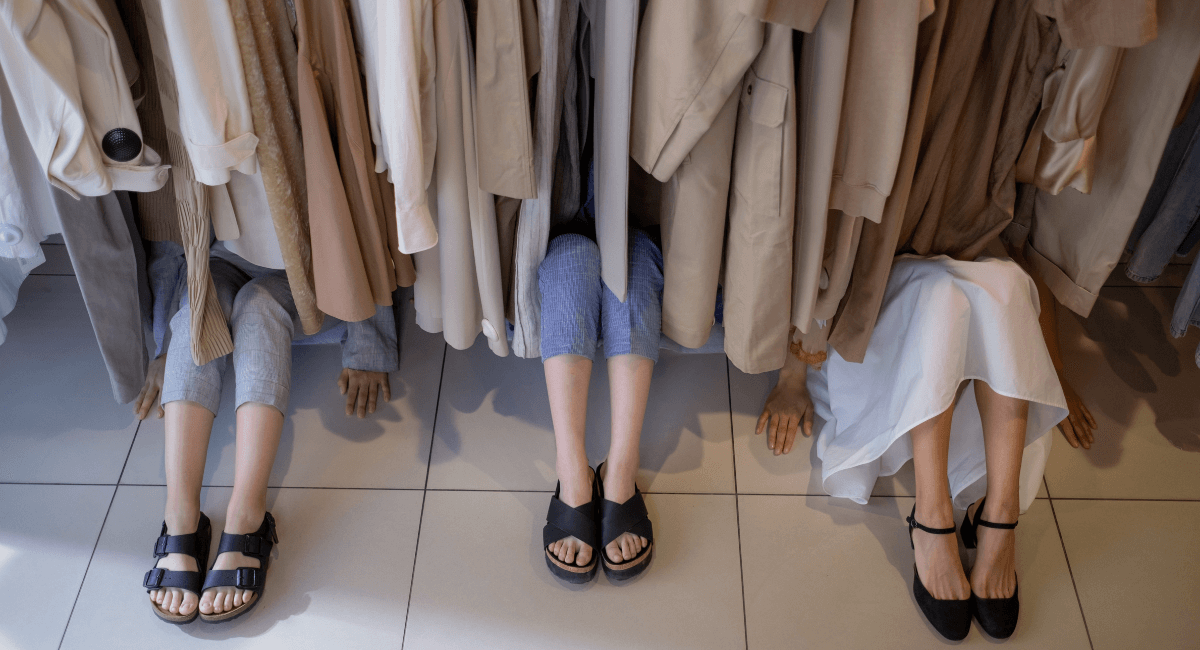
    What Is Sustainable Fashion - Image 1

    3. Why Is Sustainable Fashion So Expensive?

    One of the main reasons why sustainable fashion is often more expensive than fast fashion is because these brands typically produce on a smaller scale. This means that they don’t have the same budget and income as fast fashion brands, which can produce huge quantities of clothing at a very low cost.

    Besides that, sustainable fashion is often more expensive because its brands tend to use higher quality materials and pay their workers fair wages. This results in a higher quality product, but also one that costs more to produce.

    4. Why Is Sustainable Fashion Important?

    For one, it is important because it helps reduce your carbon footprint and save natural resources. According to sustainable fashion stats, the fashion industry causes 2.1 billion tonnes of CO2 emissions each year. Because of this, changing ways the fashion industry operates is crucial for our future wellbeing.

    Additionally, sustainable fashion is more ethical, as it takes into account the working conditions and wages of workers in the fashion industry. It also promotes these values across the industry, influencing others to change their attitudes as well.

    And finally, this kind of fashion is simply better for the environment. It doesn’t pollute the air or water. It doesn’t contribute to deforestation or other forms of habitat destruction and it doesn’t harm or abuse animals. The natural materials used for the products such as cotton and linen are biodegradable, meaning that they dissolve more quickly than synthetic materials. This leads to less waste and pollution.

    Parting Words

    Sustainable fashion is not only about reducing the negative environmental impacts of the clothing industry. It’s also about creating positive social and environmental outcomes throughout the entire supply chain. 

    With that in mind, it’s important to consider all aspects of sustainability when looking for sustainable fashion brands to support. As you explore sustainable or vegan clothing brands, make sure to look for those that emphasise transparency, traceability, and accountability throughout their supply chains.

  • Is Organic Cotton Sustainable? 11 Essential FAQ Answered

    Is Organic Cotton Sustainable? 11 Essential FAQ Answered

    Organic cotton is a popular choice for eco-friendly fashion. But is organic cotton sustainable to the extent people think it is? 

    In this blog post, we’ll take a closer look at its sustainability and explore whether or not it’s worth producing. We’ll also discuss some of the pros and cons of organic cotton compared to other materials like synthetic fabrics. So, let’s get started!

    What Is Organic Cotton?

    1. How Is Organic Cotton Made?

    Organic cotton, also known as natural or eco-friendly cotton, is a type of cotton that has been grown without the use of synthetic pesticides or fertilisers. This is typically done by using natural methods like crop rotation and cover cropping to promote healthy soil and support biodiversity.

    The harvested cotton fibres are processed without the use of harmful chemicals or bleach. Instead, organic cotton is treated with natural or water-based dyes or safer chemicals for whitening. This helps preserve its natural properties and keep it free from toxins. Therefore, it is safer for people with sensitive skin or allergies. All of these make organic cotton more sustainable as well as eco-friendly and safer for everyday use.

    2. How Is Organic Cotton Grown?

    The cotton plants are usually grown in warm, sunny climates like Turkey, India and Egypt. 

    The first step is planting the seeds, which are mostly watered by rain. During the growing period, farmers don’t use pesticides or artificial products. Instead, they put natural compost around the plants to feed them and remove any pests by hand.

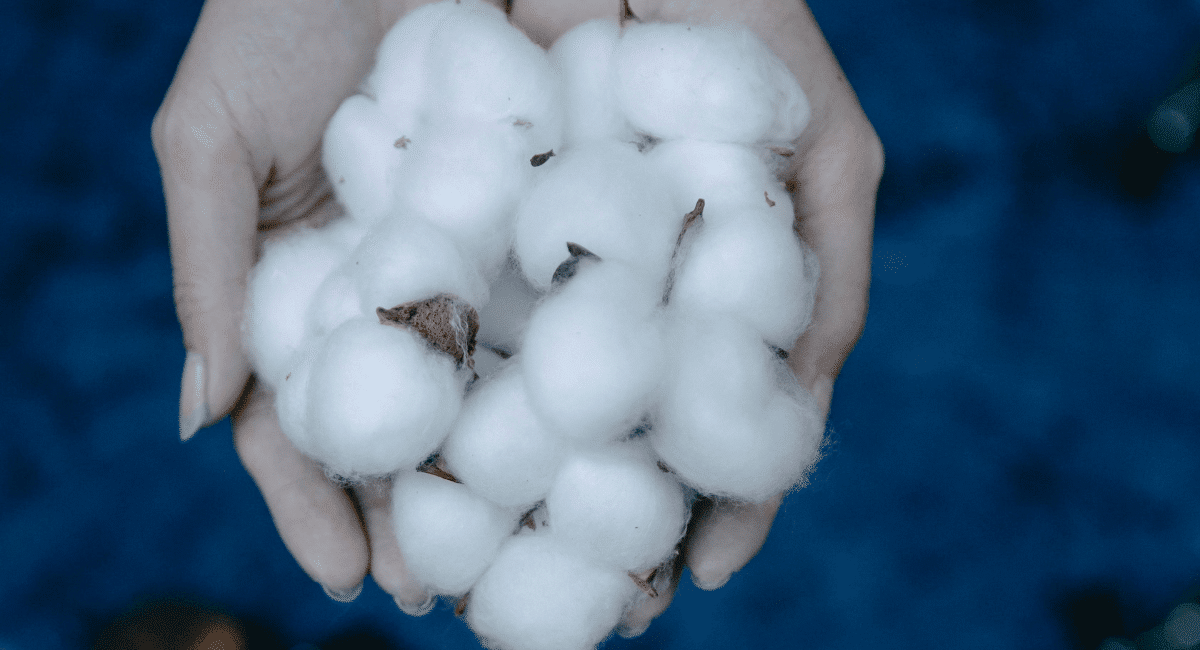
    Once the plants are mature, farmers carefully hand-pick the fluffy cotton balls from the bushes. The cotton is then cleaned and spun into thread, which can be used to make a variety of different fabrics.

    3. Does Organic Cotton Shrink in the Wash?

    One of the must-know facts about organic cotton is that it may shrink (around 3%) after being washed. This is because 100% cotton fabric is not chemically treated. But, there is a way to minimise this. It’s best to use a cold wash or a water temperature of 30°C or less the first time. Also, it helps to use a mild detergent instead of a harsh one. Brands usually put these instructions along with the clothes.

    4. Is Organic Cotton Stretchy?

    Compared to synthetic fabrics, organic cotton is generally more durable and doesn’t stretch out as quickly. This makes it a great choice for any type of clothing that needs to last a long time without becoming saggy or loose in the wash.

    But, the interlock structure made during the production of clothing items out of organic cotton gives them a soft texture and elasticity without the use of elastin. This means that the clothes extend and adapt to their wearers, providing them with the freedom to move. 

    So, if we take skinny jeans made out of organic cotton as an example, they will stretch enough for you to feel comfortable in them, but they won’t sag over time.

    Is Organic Cotton Sustainable - Cotton Flower

    5. Is Organic Cotton Better for Skin?

    Because organic cotton isn’t subjected to the harsh chemicals necessary for conventional cotton growth and production, it is much better for sensitive skin. Regular cotton is manufactured using up to 8,000 synthetic compounds, the majority of which are not present in organic cotton clothing. This makes organic cotton clothing considerably healthier for your skin and ideal for children and babies.

    Before buying an item, look for the Oeko-Tex Standard 100 label to make sure that the fabric does not contain any hazardous chemicals. For other sustainable fabrics that are kind to your skin, check out our eco-friendly fabrics guide.

    6. What Are the Advantages of Organic Cotton?

    There are several advantages to choosing organic cotton over conventional one.

    Organic cotton is a more environmentally friendly material than conventional cotton. Because it does not rely on the intensive use of synthetic fertilisers and pesticides, it helps reduce pollution and conserve natural resources like soil and water. 

    Also, organic cotton uses significantly less water than other types of cotton. This is because it doesn’t require additional irrigation or the spraying of harmful chemicals that can seep into local waterways and ecosystems.

    Another one of the organic cotton benefits is that it helps eliminate many of the risks associated with pesticide exposure. This includes respiratory problems, skin irritations, and endocrine disruption.

    Finally, this type of material is often seen as being of a higher quality than the material made out of conventional cotton. This is because it is grown in more carefully controlled conditions and doesn’t contain any harmful chemicals that can degrade the material over time.

    7. Is Organic Cotton More Breathable?

    Short answer: yes. Organic cotton has natural fibres that are longer than those of regular cotton. Because of that, it is more breathable but strong enough to maintain the shape of the material. This feature makes organic cotton perfect for things like beddings and summer clothes, as it allows air to go through it keeping you cool and fresh.

    8. Is Organic Cotton Expensive?

    Yes, organic cotton is more expensive than conventional cotton. This is because it costs more to produce and certify organic cotton products. However, many people believe that the advantages of organic cotton vs cotton are worth the extra cost.

    9. What Are the Disadvantages of Organic Cotton?

    One of the main disadvantages of organic cotton is that it requires more land and energy to produce than conventional cotton. This is because organic farmers generally use more time-consuming production methods that require extra work power and energy. Also, additional fields are needed as the organic plants give less product than non-organic ones.

    Another downside is that it can’t keep up with the demand. In other words, there is not enough organic cotton being produced to meet the global demand for making clothing and other products.

    Some harmful natural pesticides are also used in its production. These pesticides can potentially cause health problems for farmers and workers exposed to them. They can also cause allergic reactions or skin rashes, although probably not as severe as the conventionally used chemicals.

    Finally, organic cotton is generally more expensive to produce and sell than conventional cotton. This means that consumers may have to pay more for products.

    Is Organic Cotton Sustainable - Cotton Plant

    10. Why Is Organic Cotton Better?

    There is no doubt that there are many important benefits of organic cotton that make it one of the more sustainable fabrics.

    First, organic cotton is considered to be more environmentally sustainable than other types of cotton. This is because it doesn’t rely on the intensive use of synthetic fertilisers and pesticides, and helps reduce pollution and conserve natural resources like soil and water. 

    Second, it uses significantly less water than other types of cotton. Because it does not rely on the intensive use of synthetic fertilisers and pesticides, it helps reduce pollution and conserve natural resources like soil and water. 

    Third, organic cotton has been shown to offer better quality than conventional cotton. This is due to the careful production methods employed by organic farmers, as well as its lack of harmful chemicals that can degrade the material over time.

    Finally, the workers involved in its production have fairer working conditions than what is standard for the industry. They are paid a fair wage and have regular working hours.

    There is no doubt that there are many important benefits of organic cotton that make it one of the more popular eco-fabrics, along with hemp—whose sustainability status isn’t black and white either.

    11. What Percentage of Cotton Is Organic?

    One of the more interesting organic cotton facts is that it makes up a relatively small percentage of global cotton production, accounting for only 0.95% of the total global cotton harvest. 

    Sustainable fashion statistics show that most of this organic crop was produced in India, followed by China, Kyrgyzstan and Turkey.

    Final Thoughts

    So, is organic cotton sustainable?

    The answer to this question is a little more complicated than a simple yes or no. While it’s true that organic farming practices do have many environmental benefits, there are also some drawbacks to consider. Ultimately, its sustainability depends on many factors, such as how and where it’s grown. 

    If you’re looking for environmentally friendly clothing options, organic cotton is worth considering—especially from fashion brands that are dedicated to sustainability.